A staycation from Mumbai usually means one of two things: a night at a city five-star that feels much like home, or a crowded hill station weekend. Neither gives you a proper break.
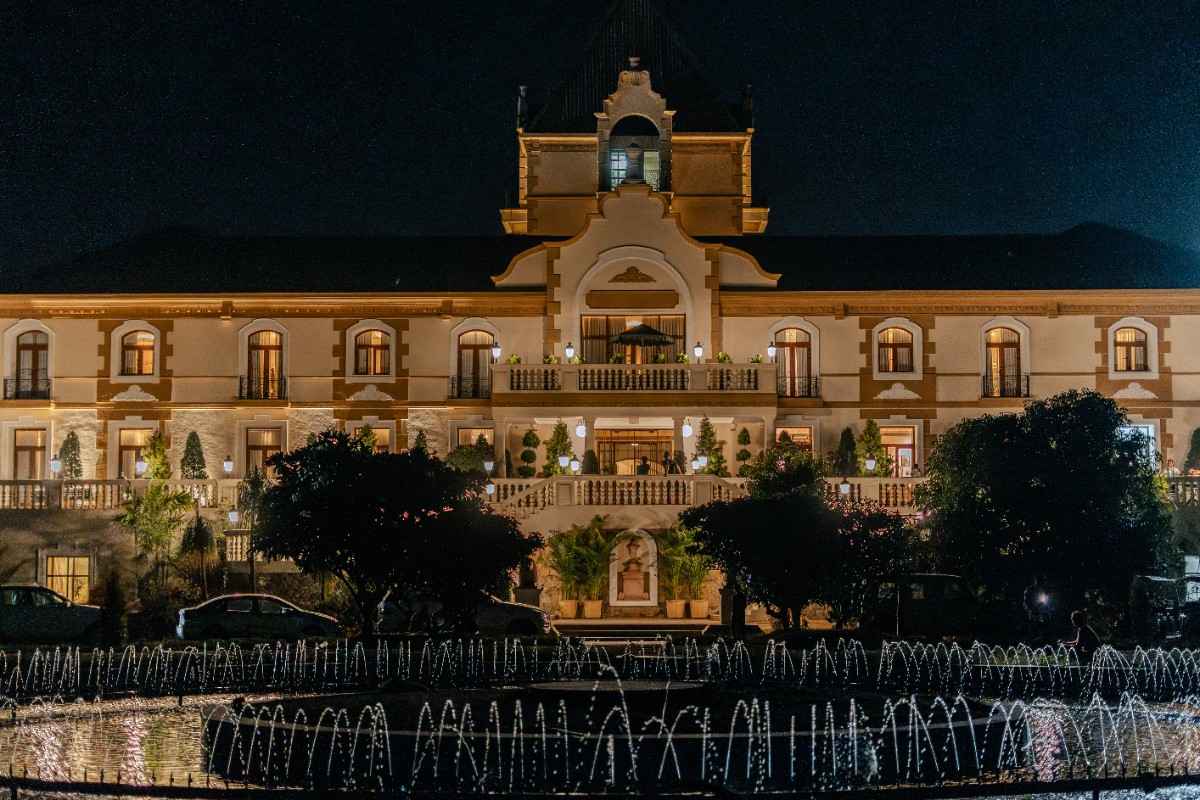
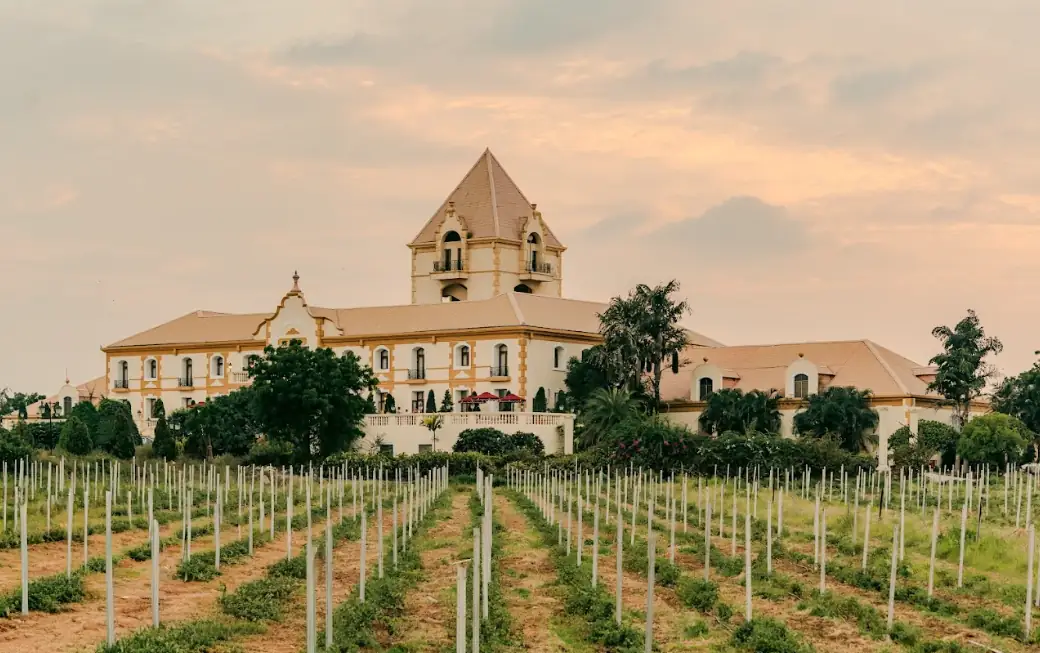
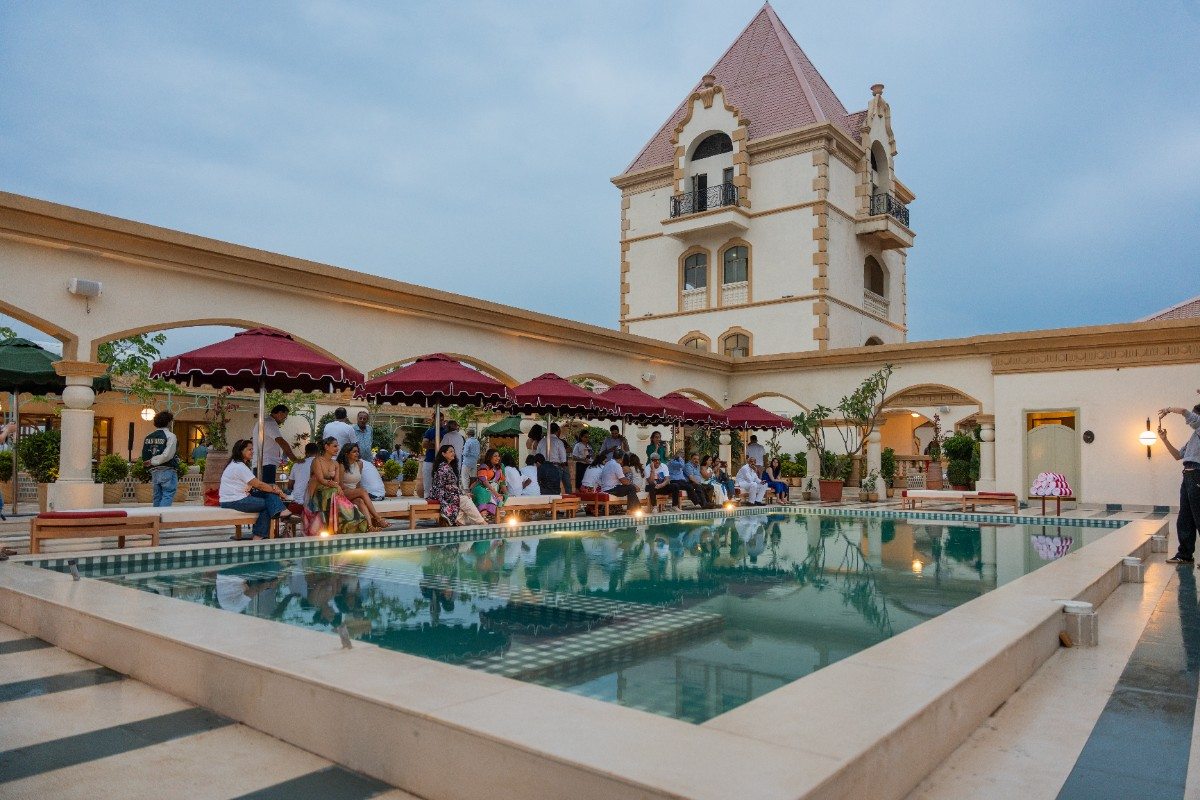
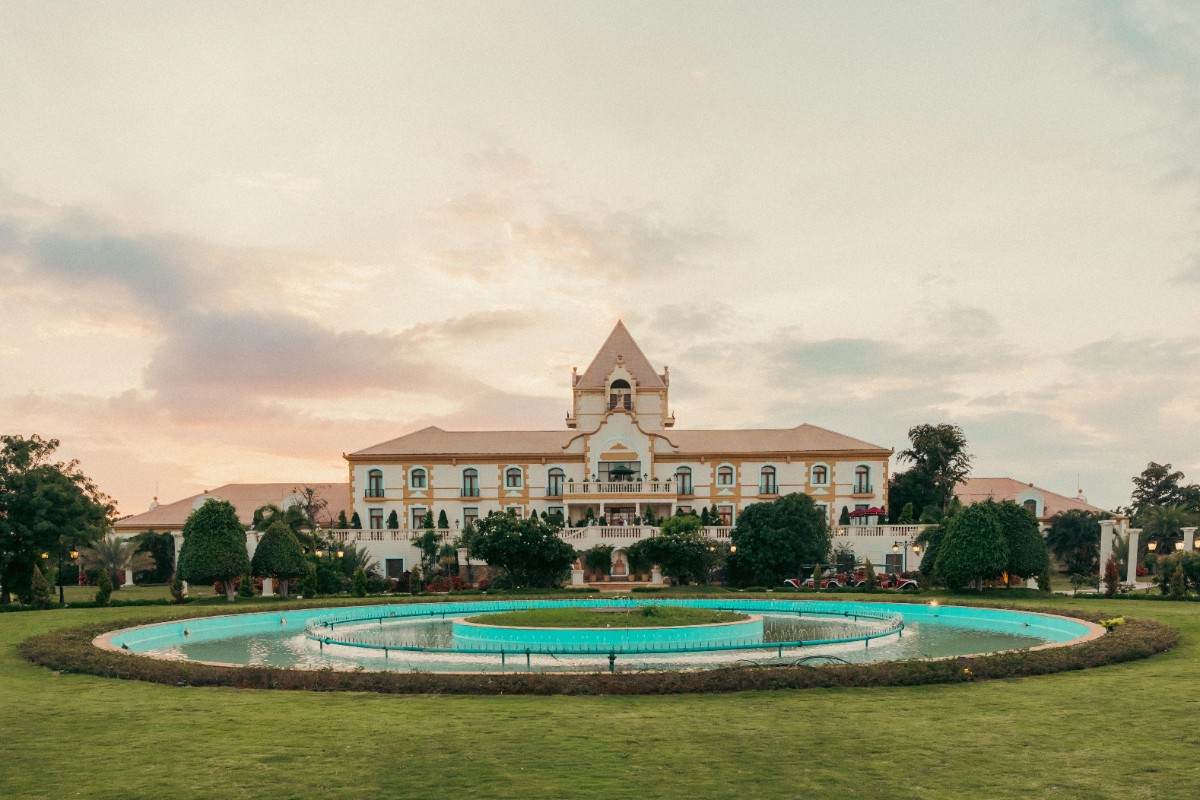
A true luxury staycation needs a change of landscape without a flight. That is where Hotel Irada comes in. It is a 66-acre working winery in Pune Wine Country, surrounded by around 4,000 acres of reserve forest and within driving range of Mumbai. It’s a Member of Design Hotels by Marriott, named to the Condé Nast Traveller Hot List 2026, and ranked India’s No.1 Wine Hotel by Travel + Leisure Asia. You can find more on why it stands out in our guide to the best luxury hotel near Mumbai and Pune.
What Makes a Staycation Feel Like a Real Holiday
The best weekend staycation near Mumbai gives you three things a city hotel can’t:
Space: 66 acres of vines and forest instead of a corridor and a lobby
Quiet: no traffic, no horns, just the estate
Things to do without leaving: dining, wine, wellness and activities on one property
The Winery Staycation Experience
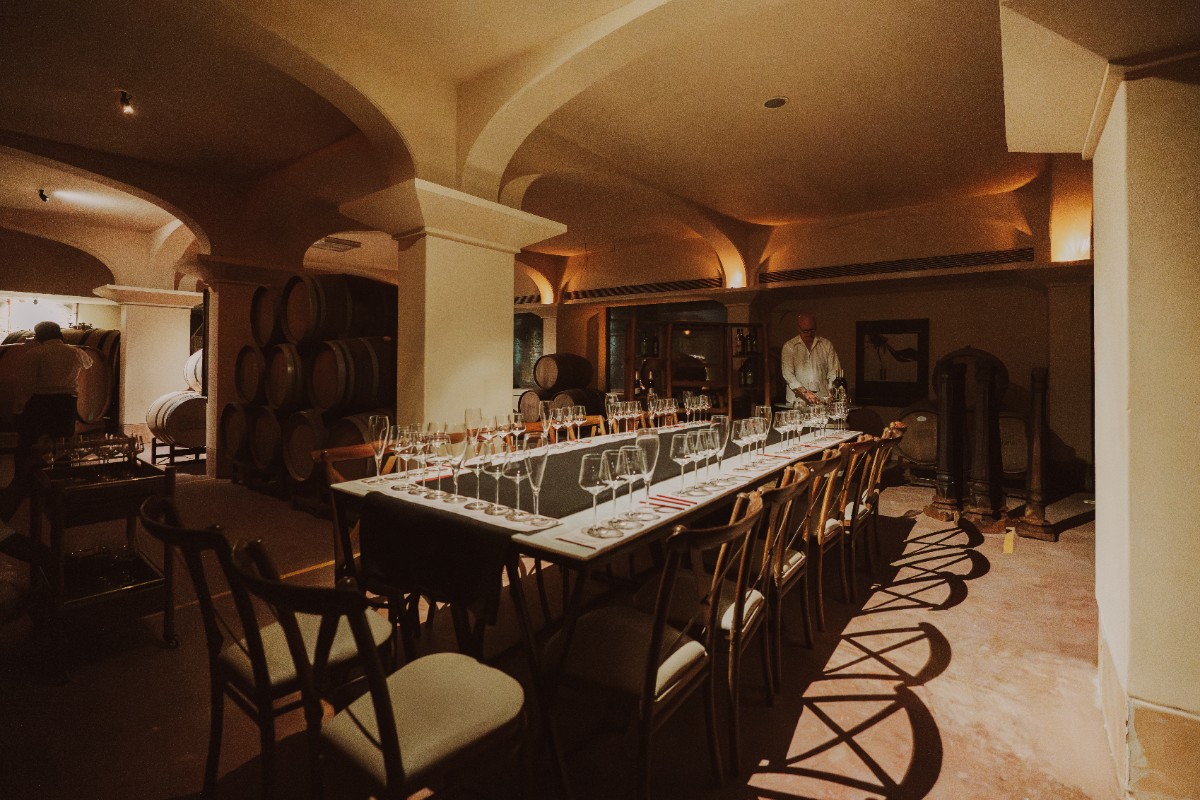
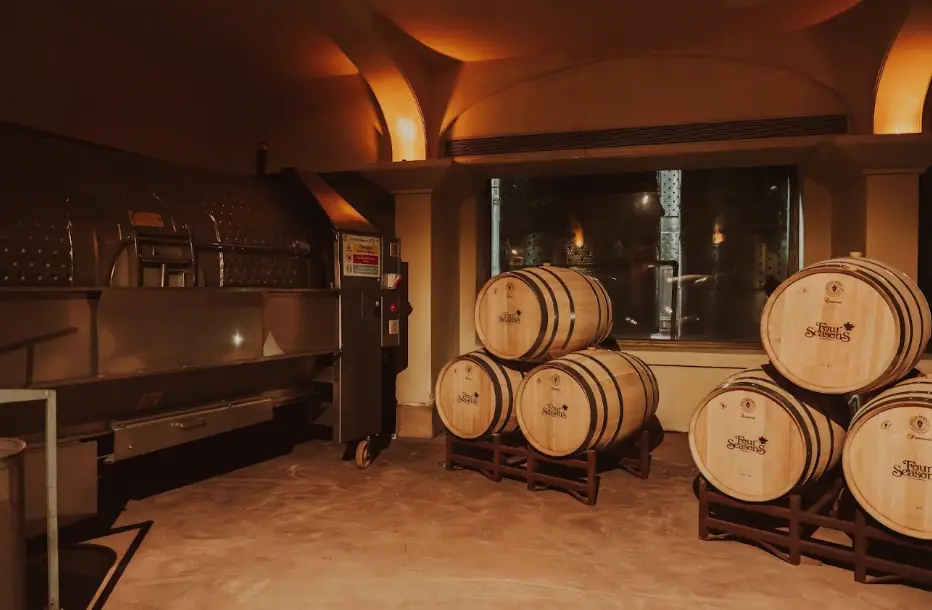
Few places near Mumbai let you stay inside a working vineyard. A winery staycation at Irada includes the Estate Wine Tour, which starts from ₹2,000. It walks you through the vineyard, fermentation tanks and barrel cellar before a guided tasting in the Tasting Room. Read more about the wine tasting experience near Pune.
Dining Worth the Drive
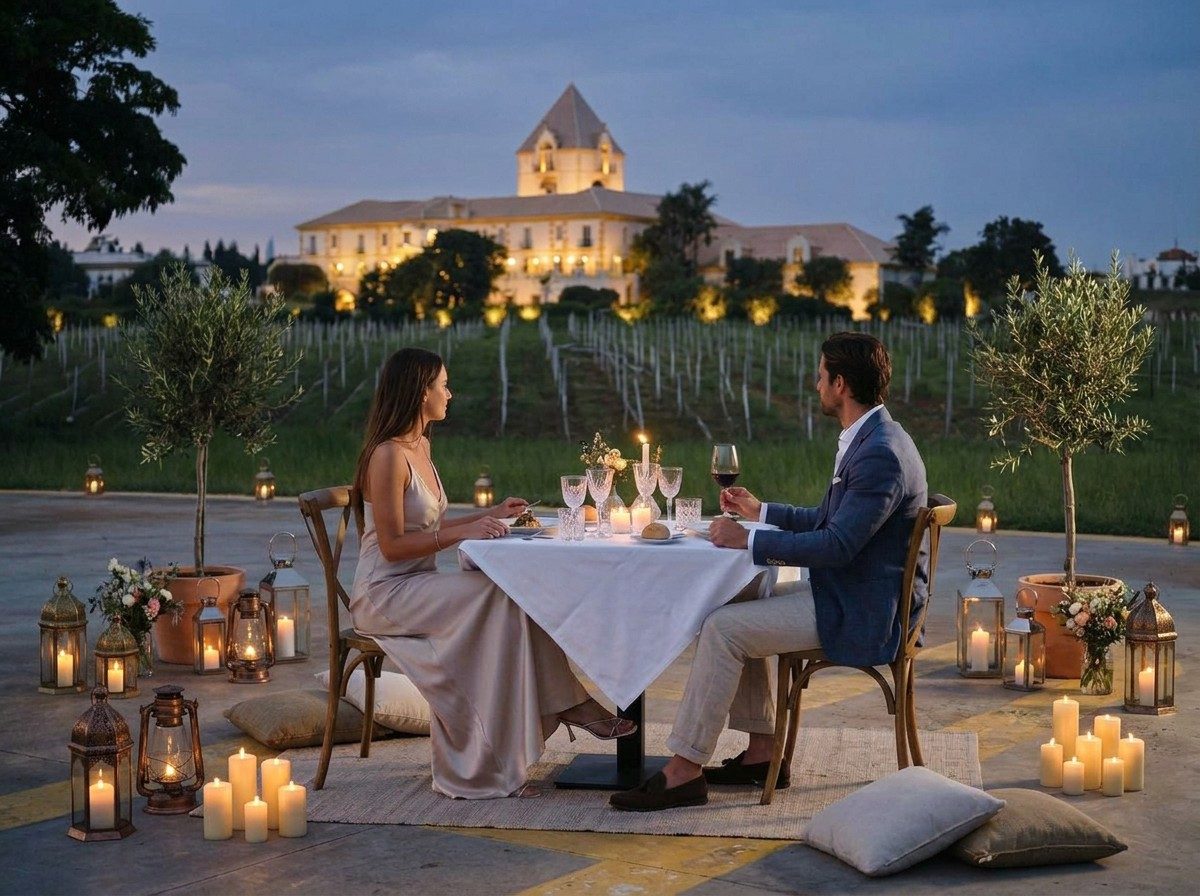
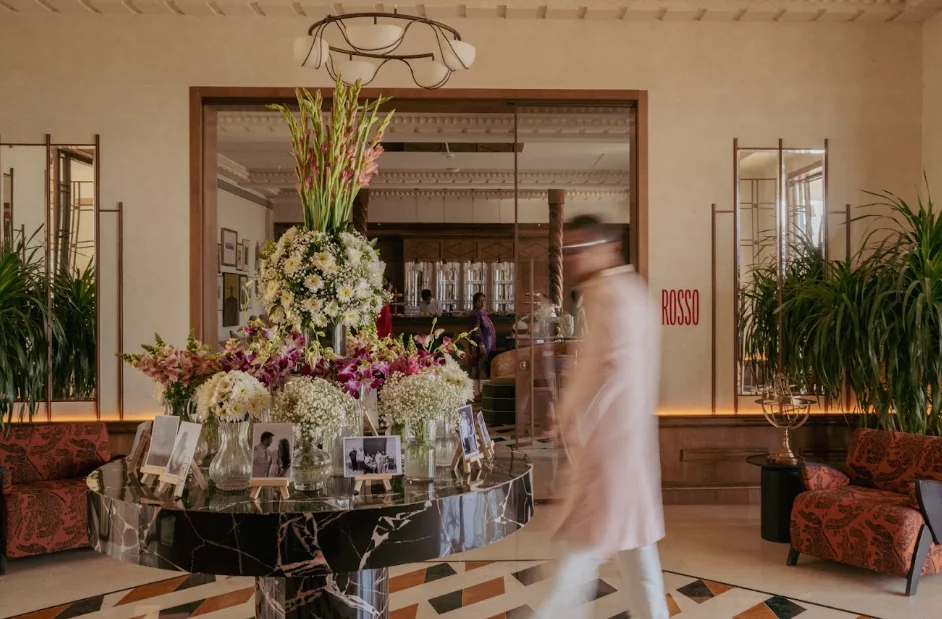
The estate’s dining is recognised in the Michelin Guide 2026, so the food is a reason to go in its own right. For a special evening, the team can arrange private vineyard lunches, forest picnics or tower-top dinners.
Wellness at Nyāsa
A staycation should leave you rested. Nyāsa Wellbeing offers spa treatments, a sauna and yoga, and the estate’s forest trails are ideal for a slow morning walk. See our full wellness retreat near Pune guide.
Staycation for Couples
For a couple’s staycation, Irada offers vineyard-facing rooms, private dining and a genuinely quiet setting. Celebrating something? Our anniversary getaway near Pune guide has ideas.
Staycation for Families
With a Kids Club, minigolf, pickleball, croquet, pottery and deer spotting, children stay busy while adults relax. Larger families can book the Collector’s Suite, which connects with two Reserve Rooms to form a three-bedroom suite. Explore more in our family resort near Pune guide.
Best Luxury Resorts for Staycation Near Mumbai: What to Compare
What You Want
City Five-Star
Hill Station Resort
Hotel Irada
Change of landscape
✘
✔
✔ Vineyard + forest
Crowd-free weekend
✔
Often crowded
✔ 66 private acres
Destination dining
Varies
Limited
✔ Michelin Guide 2026
Spa & wellness
✔
Varies
✔ Nyāsa Wellbeing
Unique experience
✘
✘
✔ Working winery
A Two-Night Staycation Plan
Day 1: Drive from Mumbai, check in, take a vineyard sunset walk, then dinner at the estate
Day 2: Morning yoga, the Estate Wine Tour, a long lunch, an afternoon at Nyāsa, and a private dinner
Day 3: A slow breakfast, a forest trail, and an unhurried drive home
January through March brings harvest season and the best outdoor weather. The monsoon turns the estate its greenest, making it an atmospheric monsoon getaway near Pune.
Planning Your Staycation
Ask the estate team about current staycation packages when you book, and they can also arrange transport from Mumbai. Looking for a Pune-based break instead? See our guide to the best luxury staycation near Pune.
What is the best luxury staycation near Mumbai? Hotel Irada is a 66-acre wine estate within driving range of Mumbai. It offers Michelin Guide 2026-recognised dining, Nyāsa Wellbeing and a working winery on one property.
How far is Hotel Irada from Mumbai? The estate is within comfortable weekend-driving distance of Mumbai and about 75 km from Pune International Airport. Transport can be arranged.
Is it good for a couple’s staycation? Yes. Vineyard-facing rooms, private vineyard and forest dining, and spa treatments make it ideal for couples.
Does Hotel Irada offer staycation packages? Ask the estate team when booking for current packages and offers.
Most people plan their Pune escapes for the dry, comfortable months and quietly write off the monsoon. That’s a mistake – and one the estate crowd has been happily exploiting for years. The monsoon is when the landscape does its most dramatic work: the vines turn a deep, saturated green, the forest fills with the sound of water, and the whole valley takes on a stillness that the dry season never quite matches.
A monsoon getaway near Pune, done at the right place, is not a compromise you make because the weather is bad. It is a specific kind of escape you choose because the weather is spectacular. Hotel Irada – a 66-acre working vineyard estate cradled by 4,000 acres of reserve forest, recognised on Condé Nast’s Best New Hotels in the World: 2026 Hot List and listed in the Michelin Guide 2026 – is built to be enjoyed from a covered veranda with the rain coming down as much as from a sunlit vine row.
Why the Monsoon Is the Best-Kept Secret of Wine Country?
A working vineyard is an agricultural landscape, and the monsoon is its most alive season. The soil the estate sommelier talks about on the Estate Wine Tour from ₹2,000 — how the monsoon shapes it, how the basalt rock holds water — is doing its work right in front of you. The vines are heavy and green, the forest is loud with water, and the light through the rain gives the whole estate a cinematic quality. It’s the same landscape behind the best luxury hotel near Mumbai and Pune, transformed by the season into something quieter and more atmospheric.
What Changes at the Estate When the Rain Arrives?
Fewer crowds, first – the monsoon is off-peak, so the estate is at its most private. The vineyard shifts from the pale green of the dry months to a deep, saturated colour. The forest boundary, dry and scrubby in summer, becomes dense and alive, with the chinkara grazing the wet grassland. And the air carries the specific petrichor of rain on soil that no city weekend can offer.
Indoor Comforts for a Rainy Weekend
A monsoon getaway lives or dies on what you can do when it’s pouring — and this is where the estate’s design pays off. The Barrel Room, cool and cave-like with its Bordeaux-imported oak casks, is a perfect rainy-afternoon setting for a tasting. Nyāsa Wellbeing comes into its own in the rain — the Agave View Sauna with floor-to-ceiling forest views, steam, and a hot plunge where warm water meets cool, wet forest air. And a Burgundy tub in a Gallery Room with the rain on the window is its own kind of luxury.
What to Do Between the Showers
The monsoon in this region is rarely all-day rain — it comes in dramatic bursts with bright, washed-clean gaps between. Those gaps are for the vineyard walk, the forest trail, and the covered veranda with a coffee from Subko x Irada. The broader estate experiences — pottery, champagne sabering, a barrel-room tasting — are all weather-proof, so the day never stalls.
Rooms Made for Watching the Rain
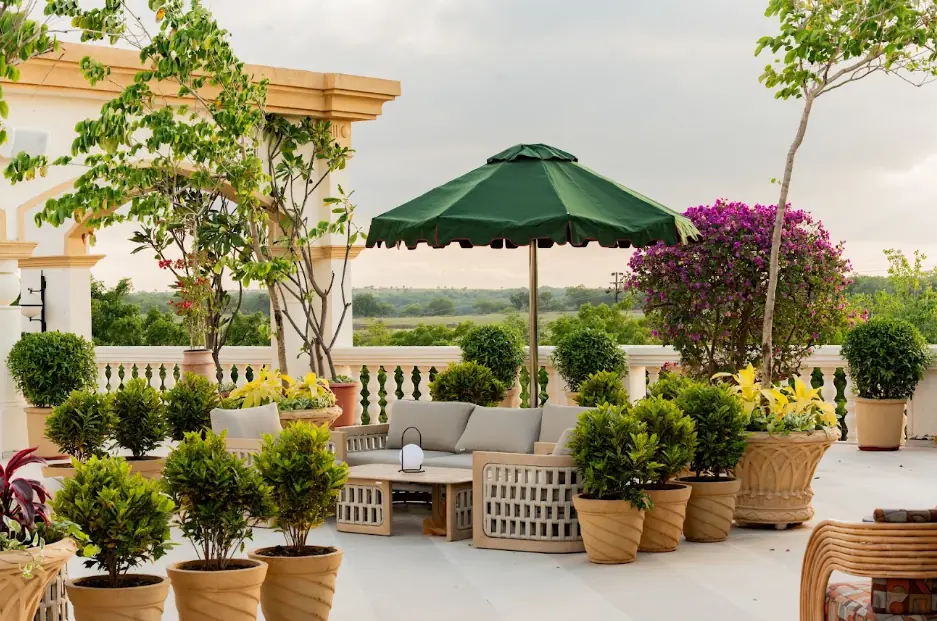
The estate’s rooms and suites are designed around the view, which in the monsoon means a private sit-out facing rain-soaked vines. Vineyard Suites place you among the rows; the Collector’s Suite opens onto a terrace over the vineyard. Mornings are for coffee on the balcony watching the mist lift off the forest.
Food That Suits the Weather
The estate’s Michelin Guide 2026-recognised kitchen is at its best in this weather. Rosso’s slow-simmered sugos and champagne cacio e pepe are exactly what a rainy evening asks for. A long poolside lunch at the Irada Pool Club works even in the monsoon, with the covered spaces and the pool framed by rain-fed greenery at its wildest.
A Two-Night Monsoon Rhythm
Evening one: arrive, a hot drink on the veranda as the rain sets in, an unhurried Rosso dinner.
Day two: a wine tour in the morning, a barrel-room tasting or spa when it pours, a vineyard walk in a bright gap, a long dinner.
Departure: a slow breakfast watching the mist lift. It’s a restorative two-night staycation with the volume of the landscape turned all the way up.
Planning Your Monsoon Trip
Season: June through September for the full monsoon; the shoulder weeks of September are especially good — green landscape, easing rain. Distance: roughly 75 km from Pune International Airport, within driving range of Mumbai, with transport coordination available (worth arranging in the monsoon). Book your stay directly for the best rates, or WhatsApp +91 7080250472.
Frequently Asked Questions
Is Hotel Irada a good monsoon getaway near Pune? Yes — the monsoon transforms the 66-acre vineyard and surrounding forest into their greenest, most atmospheric state, and the estate has covered spaces, a spa, and a barrel room for rainy afternoons.
What is there to do at the estate when it rains? Barrel-room wine tastings, spa and sauna at Nyāsa Wellbeing, pottery, and covered veranda dining — plus vineyard and forest walks in the bright gaps between showers.
When is the monsoon season here? Roughly June through September, with September offering green landscapes and easing rain.
How far is it from Pune and Mumbai? Around 75 km from Pune International Airport, within driving range of both, with transport arranged for arriving guests.
Is the drive safe in the monsoon? The estate team arranges transport coordination, which is recommended during heavy-rain periods.
Final Thoughts
A monsoon getaway near Pune isn’t second best to a dry-season trip — at a working wine estate, it’s arguably the better one. Hotel Irada gives you a vineyard at its greenest, a forest at its loudest, a spa built for wet afternoons, and Michelin Guide dining to come home to. Book your monsoon escape directly or WhatsApp +91 7080250472.
A family holiday has a specific failure mode: the kids are bored, the grandparents are tired, and the parents spend the whole trip managing both. A resort that works for a family is one where every age has something to do without anyone being programmed — where the children can roam, the adults can slow down, and the whole group still eats together at the end of the day.
A family resort near Pune that manages that is harder to find than it should be. Most are built for one kind of guest. Hotel Irada is built for a family precisely because it is large enough — a 66-acre working vineyard estate cradled by 4,000 acres of reserve forest, with a Kids Club, lawn games, forest trails, a pool, and Michelin Guide 2026-recognised dining, all on one property.
What a Family Actually Needs From a Resort
Three things: space to spread out so nobody is on top of anybody; activities pitched at genuinely different ages; and enough on-property that you never load everyone back into the car. An estate delivers all three in a way a compact hotel cannot.
Space, and Lots of It
Sixty-six acres is the whole point. Children can run; older relatives can sit in the shade with a view; parents can lose sight of the kids without losing them. The estate experiences spread across the property – there’s room for everyone to do something different and still be within a short walk of each other.
Something for Every Age
For children, a Kids Club, plus minigolf, pickleball, croquet on the West Lawn, and forest trails with deer spotting — Indian chinkara across the grasslands is a genuine thrill for a child. For adults, the Estate Wine Tour from ₹2,000 and spa therapies at Nyāsa Wellbeing. For teenagers, padel and the pool. Nobody is stuck doing someone else’s activity.
Where Everyone Sleeps
The estate’s rooms and suites scale to a family: the Collector’s Suite connects with two Reserve Rooms to form a three-bedroom hideaway — the obvious answer for a multi-generational group under one roof, with a terrace over the vineyard to gather on.
Food the Whole Table Agrees On
The Irada Pool Club does all-day à la carte dining beside the checkered pool — the kind of long, easy lunch that suits a table spanning three generations. Rosso handles the grown-up dinner. Because the estate is the same one behind the best luxury hotel near Mumbai and Pune, the food is genuinely good, not just kid-friendly.
A Family Weekend Flow
Day one: arrive, let the kids find the pool and the lawn games, a relaxed poolside dinner. Day two: Kids Club and forest trails for the children, a wine tour or spa for the adults, a long lunch together, and an evening everyone spends outdoors. It runs like a weekend getaway from Mumbai — same drive, but built for the whole family.
Planning the Trip
Distance: roughly 75 km from Pune International Airport, within driving range of Mumbai, transport coordination available. Best season: January through March. Book your stay directly for the best rates and direct-booking perks, or WhatsApp +91 7080250472.
Frequently Asked Questions
Is Hotel Irada a good family resort near Pune? Yes — guest reviews consistently describe it as kid-friendly, with a Kids Club and children’s activities alongside dining, wine and wellness for adults, all across 66 acres.
What is there for children to do? A Kids Club, minigolf, pickleball, croquet, forest trails and deer spotting.
Can a multi-generational family stay together? Yes — the Collector’s Suite connects with two Reserve Rooms to form a three-bedroom suite.
How far is it from Pune and Mumbai? Roughly 75 km from Pune airport, within driving range of both, with transport arranged.
Final Thoughts
A family resort near Pune works when every age is looked after and the whole group still comes together at the table. Hotel Irada does that across 66 acres — a Kids Club and lawn games for the children, wine and wellness for the adults, forest quiet for everyone. Book your family stay directly or WhatsApp +91 7080250472.
An anniversary dinner at a city restaurant is lovely for two hours. Then the bill arrives, the table turns over, and you drive home in traffic — the occasion compressed into the length of a meal. A milestone worth marking deserves more room than that: a place you travel to, stay in, and remember.
An anniversary getaway near Pune should feel like the two of you stepping out of ordinary life entirely — somewhere private, unhurried, and beautiful enough that the setting itself becomes part of the memory. Hotel Irada is built for exactly that: a 66-acre working vineyard estate wrapped in 4,000 acres of reserve forest, recognised on Condé Nast’s Best New Hotels in the World: 2026 Hot List and listed in the Michelin Guide 2026. It is, quite deliberately, a place made for two.
Why an Anniversary Deserves More Than a Dinner Reservation
The problem with celebrating at a restaurant is that you are a guest among many. The table is not yours; the evening runs on the kitchen’s schedule; the moment ends when service does. An estate inverts that — the setting is chosen for the occasion, the pace belongs to you, and the celebration stretches across a weekend instead of a sitting.
What a Wine Estate Offers a Couple
Privacy, first — 66 acres means you are rarely near another table. A landscape that does the romance without effort — vine rows at golden hour, forest quiet, a checkered pool framed by wild roses. And a wine story to share: the Estate Wine Tour from ₹2,000, led by the estate sommelier through the vineyard and barrel cellar, is a genuinely lovely thing to do together. Much of this is the same reason the estate works as the best luxury hotel near Mumbai and Pune — for a couple, that translates directly into romance.
Private Dining Made for the Occasion
This is where an anniversary at Irada becomes singular. The estate’s private dining settings include a vineyard lunch between the ripening rows, a forest picnic under the canopy, and a tower-top nightcap above the treetops — each set for two, with a Michelin Guide 2026-recognised kitchen behind it and the estate sommelier pairing each course to a pour from the estate’s own collection. It is the anniversary dinner a restaurant simply cannot stage.
Rooms for a Slow Morning
The estate’s rooms and suites are designed to frame the vineyard rather than block it. A Vineyard Suite places you among the rows; the Gallery Room adds a Burgundy tub for two; the Collector’s Suite opens onto a private terrace over the vines. The point of all of them is the slow morning after — espresso on the balcony, no alarm, nowhere to be.
The Two of You, and Nothing to Organise
An anniversary should not come with a project plan. Once you arrive, the car stays parked and the estate provides the rhythm — a treatment at Nyāsa Wellbeing, a swim, a forest walk, or nothing at all. If you’d rather stretch it into a restorative two-night staycation, the estate is built for that too.
A Two-Night Anniversary Rhythm
Evening one: arrive, a drink at the pool as the light softens, a private dinner among the vines. Day two: a slow morning, the wine tour together, a spa afternoon, and a Rosso dinner. Departure: a late breakfast and a final walk on the forest trails. Two nights that feel like a week away.
Planning the Celebration
Private dining and specific arrangements — a particular setting, a surprise, dietary needs — should be raised ahead of time; menus are designed around the occasion, not chosen from a list. Book your stay directly for the best rates, or WhatsApp the team on +91 7080250472 to plan the details. Best season: January through March.
Frequently Asked Questions
What is the best anniversary getaway near Pune? Hotel Irada — a 66-acre wine estate near Pune — offers private vineyard and forest dining, vineyard-facing suites, and Michelin Guide 2026 dining, making it a strong choice for a romantic milestone.
Can you arrange a private anniversary dinner? Yes — vineyard lunches, forest picnics and tower-top settings are available, each designed around the occasion. Raise it when booking.
How far is Hotel Irada from Pune? Roughly 75 km from Pune International Airport, within driving range of Mumbai too, with transport coordination available.
Is two nights enough? Two nights is ideal — time for a private dinner, the wine tour, a spa treatment and a slow morning without rushing.
When is the best time to go? January through March, for harvest-season atmosphere and comfortable outdoor conditions.
Final Thoughts
An anniversary getaway near Pune should give you more than a good meal — it should give you a place, a weekend, and a memory. Hotel Irada offers private dining among the vines, suites that open onto the vineyard, and 4,000 acres of forest quiet around the two of you. Book your celebration directly or WhatsApp +91 7080250472.
Most resorts that call themselves “vineyard resorts” have a few decorative vines near the entrance and a wine list at dinner. The vineyard is set dressing. A genuine vineyard resort near Pune is a different thing entirely — a place where the vines are a working crop, the wine in your glass comes from the rows outside your window, and the rhythm of the estate follows the growing season rather than a resort schedule.
Hotel Irada is that rarer thing: a 66-acre working winery you can stay inside, cradled by 4,000 acres of reserve forest. Recognised on Condé Nast’s Best New Hotels in the World: 2026 Hot List, listed in the Michelin Guide 2026, and named India’s No.1 Wine Hotel by Travel + Leisure Asia, it is a resort built around a real winery rather than a resort borrowing a vineyard’s aesthetic.
What Makes a Vineyard Resort Different
A vineyard resort works when the winery is the reason to stay, not a backdrop. That means vine rows on a real growing season, a barrel cellar you can walk into, a sommelier who works the estate, and wine produced on the property. Everything else — the rooms, the dining, the pool — arranges itself around that.
A Working Winery, Not a Themed Resort
Irada’s 66 acres of vines follow the actual monsoon and the actual harvest. In January the vines hang heavy; by July the valley is green and loud with water. The landscape genuinely changes across the year, which is why a stay in January reads differently from a stay in July — something a themed resort, frozen in a single manicured state, can never offer.
The Wine Experience at the Centre of the Stay
The Estate Wine Tour from ₹2,000, led by Australian Estate Manager Craig Wedge, is the heart of the stay — through the working vineyard, the tank rooms where wine is tasted straight from fermentation, and the barrel cellar with its Bordeaux-imported oak casks, ending with a guided flight in the Tasting Room. It’s the rare resort activity guests genuinely look forward to.
Rooms That Face the Vines
The estate’s rooms and suites are each designed to frame the vineyard rather than block it. Vineyard Suites (700–750 sq. ft.) place you directly among the rows, with arched ceilings and generous sit-outs; the Collector’s Suite adds a 300 sq. ft. terrace over the vines. Mornings start with the vineyard outside the window and an espresso on the balcony.
Dining Among the Rows
The culinary programme carries Michelin Guide 2026 recognition. Rosso pairs Amalfi brightness with old Bombay mischief. The Irada Pool Club serves all-day dining beside the checkered pool. And for something singular, the estate’s private dining settings include a vineyard lunch set between the ripening rows, with each course paired to a pour from the estate’s own small-batch collection.
Beyond the Wine
A vineyard resort should offer more than tastings, and Irada does. Nyāsa Wellbeing brings spa therapies, yoga, the Agave View Sauna and a hot plunge. The broader estate experiences run to forest trails, deer spotting, padel, pickleball, pottery and champagne sabering — so non-drinkers and families have a full stay too.
Who a Vineyard Resort Suits
Couples wanting a slow, wine-led escape. Wine enthusiasts who want to stay where the wine is made. Families, thanks to the Kids Club and estate activities. And anyone after arestorative two-night staycation where the setting does the work.
Planning Your Stay
Best season: January through March, for harvest-season atmosphere and comfortable outdoor weather. Distance: roughly 75 km from Pune International Airport, with transport coordination available. Book your stay directly for the best rates and direct-booking perks, or WhatsApp +91 7080250472.
Frequently Asked Questions
Is there a real working vineyard resort near Pune? Yes — Hotel Irada is a 66-acre working winery you can stay inside, with a sommelier-led wine tour, on-site production, and vineyard-facing rooms.
What does the wine tour cost? The Estate Wine Tour starts from ₹2,000 and ends with a guided tasting in the Tasting Room.
Is a vineyard resort suitable for non-drinkers and families? Yes — wellness, forest trails, racquet sports, pottery and a Kids Club mean the wine is one thread in a much larger stay.
When is the best time to visit? January through March, for harvest atmosphere and the most comfortable outdoor conditions.
How far is it from Pune? Roughly 75 km from Pune International Airport, with transport arranged for arriving guests.
Final Thoughts
A vineyard resort near Pune is only worth the name if the vines are real. Hotel Irada is a genuine working winery you can stay inside — vineyard-facing rooms, a sommelier-led tour, Michelin Guide dining, and 4,000 acres of forest around it. Book your stay directly or WhatsApp +91 7080250472.
Every Mumbai resident has the same shortlist. Lonavala for the monsoon. Alibaug for the beach. Nashik if someone in the group is into wine. Each of them was a genuine escape once — before the weekend traffic, the crowds at every viewpoint, and the growing sense that you are queuing for the same photograph everyone else already has.
The problem is not that these places stopped being beautiful. It is that a weekend getaway from Mumbai is supposed to feel like leaving the city behind, and most of the usual options now recreate the city’s crowds in a prettier setting.
There is a different kind of escape roughly the same distance out — a 66-acre working vineyard estate cradled by 4,000 acres of reserve forest, where the nearest thing to a crowd is the vine rows. Hotel Irada, recognised on Condé Nast’s Best New Hotels in the World: 2026 Hot List, listed in the Michelin Guide 2026, and named India’s No.1 Wine Hotel by Travel + Leisure Asia, is built on almost the opposite premise from a weekend hill station.
The Problem With the Usual Weekend Getaways
The standard Mumbai weekend escape has three recurring failures.
The crowd follows you. The whole point of leaving is to stop being surrounded by the city. When every viewpoint, café, and photo spot is packed with the same weekend crowd, you have relocated the city rather than left it.
The itinerary becomes work. A hill-station weekend often means driving between scattered attractions — a fort here, a lake there, a restaurant a half-hour further on. The weekend fills up with logistics, and you return more tired than you left.
The stay is an afterthought. Most getaways treat the hotel as somewhere to sleep between activities. So the room is fine, the food is convenient, and nothing about the property itself is the reason you came.
A wine estate inverts all three: the crowd never arrives, the property is the itinerary, and the estate itself is the reason to come.
What a Wine Estate Weekend Actually Looks Like
A weekend at Irada is not a checklist of sights. It is a single place with enough range that you never need to leave it. Vine rows to walk at golden hour. A checkered pool for a long lunch. A barrel cellar for a tasting. A forest for a morning trail. A spa for the afternoon you decide to do nothing. Once you arrive, the car stays parked — which is, quietly, the whole point of a real getaway.
Why Hotel Irada Works as a Mumbai Escape
A Working Vineyard You Can Walk Into
This is not a landscaped resort garden. It is a living winery — 66 acres of vine rows following a real growing season, changing shape across the year. In January the vines hang heavy; by July the valley is green and loud with monsoon water. Walking the rows at dawn or dusk is the kind of quiet a Mumbai weekend rarely delivers.
Food Worth Driving For
The estate’s culinary programme carries Michelin Guide 2026 recognition. Rosso pairs Amalfi brightness with old Bombay mischief — champagne cacio e pepe, slow-simmered sugos. The Irada Pool Club serves all-day à la carte dining beside the checkered pool. Lola by the Pool brings crisp highballs as the light drops. Because you are not driving out for dinner, the food has to be genuinely good — and it is.
The Estate Wine Tour
Led by Australian Estate Manager Craig Wedge and starting from ₹2,000, the tour walks the working vineyard , the tank rooms where wine is tasted straight from fermentation, and the barrel cellar with its Bordeaux-imported oak casks, ending with a guided flight in the Tasting Room. It is the rare hotel activity guests genuinely look forward to.
Wellness Built Into the Weekend
Nyāsa Wellbeing offers Ayurvedic spa therapies, daily yoga, the Agave View Sauna with floor-to-ceiling forest views, steam, and a hot plunge where warm water meets cool forest air — the restorative core of a weekend meant to actually restore.
A Two-Night Rhythm
Friday — Arrive and stop. Reach the estate by evening, take a drink to the Pool Club as the light softens, and let the week end properly with an unhurried dinner at Rosso.
Saturday — Vines, rest, a long dinner. A morning walk through the vineyard. The Estate Wine Tour. A long poolside lunch on no schedule. An afternoon Nyāsa treatment, a swim, or padel at the vineyard-fringed Racquet Club. An evening meal that becomes the weekend’s centrepiece.
Sunday — Leave slowly. No alarm. A late breakfast. A final walk on the forest trails, watching for Indian chinkara across the grasslands. Depart with the specific calm only real rest produces.
For Families, Couples, and Groups
Couples get privacy, private dining settings, and an unhurried pace. Families get a Kids Club alongside minigolf, croquet, pickleball and forest trails — so a weekend works with children in a way a hill-station itinerary rarely does. Groups and friends get a property large enough to spread out across, from the pool to the West Lawn.
Planning the Drive
Distance. Hotel Irada sits roughly 75 kilometres from Pune International Airport, within comfortable weekend-driving range of both Mumbai and Pune. The estate team arranges transportation coordination for arriving guests.
Best season. January through March brings harvest-season atmosphere and the most comfortable conditions for the estate’s largely outdoor experiences.
Booking directly. Book direct at hotelirada.com for the best available rates and direct-booking perks — an Aperol Spritz at Rosso, the Irada Time Well Spent tote, and a half-hour Racquet Club slot. Marriott Bonvoy members earn points on directly booked stays.
For specific requests, WhatsApp the team on +91 7080250472 or email info@hotelirada.com.
Final Thoughts
The best weekend getaway from Mumbai is not the one with the most sights to tick off. It is the one where you arrive, park the car, and spend two days doing exactly as much or as little as you feel like — with vine rows, forest quiet, and genuinely good food doing all the work.
Hotel Irada is that escape: a working vineyard, Michelin Guide dining, and 4,000 acres of forest, roughly the same drive as Lonavala but a completely different weekend.
Book your weekend at Hotel Irada directly today, or WhatsApp the team on +91 7080250472.
The word luxury has quietly changed meaning. For a long time it described a checklist — a marble lobby, a chandelier, a concierge in a tailored jacket, a rooftop pool with a skyline behind it. A city five-star delivered all of that, and for years that was enough. It is not enough anymore. The travellers driving India’s luxury hotel market — a market that reached USD 4.05 billion in 2026 and is projected to nearly double by 2031 — are no longer paying for polish alone. They are paying for a sense of place: a property with a story, a landscape you cannot replicate, and experiences that exist nowhere else. And increasingly, the best luxury hotel near Mumbai and Pune is not a tower in the city at all. It is an estate an hour and a half outside it.
Hotel Irada sits exactly in that space — a 66-acre working vineyard estate cradled by 4,000 acres of reserve forest, recognised on Condé Nast’s Best New Hotels in the World: 2026 Hot List, listed in the Michelin Guide 2026, and named India’s No.1 Wine Hotel by Travel + Leisure Asia. This is the case for why an estate like this now outperforms the city five-star it used to lose to.
Why “Luxury” Has Quietly Changed Meaning
Three things have shifted in what affluent Indian travellers actually want.
Setting has overtaken service as the differentiator. Every five-star has excellent service — it is table stakes now, not a differentiator. What a city hotel structurally cannot offer is a working landscape: vine rows on a real growing season, a forest boundary, the specific quiet of being genuinely away from traffic. Natural drama has become the single biggest luxury signal in India’s premium segment.
Experience has overtaken amenities. A pool, a gym, and a restaurant no longer impress anyone. What guests remember — and retell — is a sommelier-led tasting straight from the fermentation tank, a forest trail with chinkara across the grassland, a private dinner between the vines. Immersion, not amenities.
Slowness has become the ultimate luxury. The scarcest thing an affluent professional has is unstructured time. A staycation now means a rhythm, not an itinerary — late breakfasts, unhurried afternoons, evenings that stretch because nothing has a scheduled end. A city hotel keeps you on a clock. An estate lets you off it.
The City Five-Star vs The Wine Estate
Both deliver luxury — but they answer different needs. Here is the honest comparison:
What you want
City Five-Star
Wine Estate (Hotel Irada)
Best for
Business, transit, one-night stays
Escape, celebration, slow weekends
Setting
Skyline, urban, indoors
Vineyard, forest, open air
Signature draw
Scale and address
66-acre working winery
Dining
Convenient
Michelin Guide 2026-recognised
The car
Constantly in use
Parked from arrival
What you remember
The room
The estate
The city hotel wins for a business trip you’ll forget in a week. The estate wins for the weekend you’ll talk about for a year.
What Makes Hotel Irada Different?
Hotel Irada breathes new life into a storied 2000s manor estate — once known for its extravagant soirées — reimagining it as a living, working winery with soul in every detail. A leading design firm carefully updated the grand neoclassical structure, layering a midcentury-modern sensibility with pieces sourced from Les Puces in Paris alongside works collected across India. Condé Nast Traveller put it best: it “wouldn’t be out of place on a White Lotus set.”
But the design is only the surface. What sets it apart is that everything a luxury guest wants exists within the same 66 acres.
A Working Vineyard, Not a Landscaped Lawn
Most luxury properties near Pune offer a pool, some greenery, and a spa. Irada offers a living winery — vine rows following a real growing season, soil shaped by the actual monsoon, a landscape that genuinely changes across the year. In January the vines hang heavy; in July the whole valley is green and loud with water. Guests routinely describe arriving stressed from back-to-back work weeks and visibly decompressing within hours.
Michelin Guide Dining On-Property
The estate’s culinary programme carries Michelin Guide 2026 recognition. Rosso brings Amalfi brightness together with old Bombay mischief — champagne cacio e pepe, slow-simmered sugos, seasonal menus worth ordering twice. The Irada Pool Club handles all-day à la carte dining beside an Olympic-sized checkered pool. Lola by the Pool brings crisp highballs as the light drops. Subko x Irada handles the specialty-coffee end of the day. Because every meal happens on-property, the food has to be genuinely good rather than merely convenient — and it is.
Wellness That Actually Restores
Nyāsa Wellbeing offers Ayurvedic spa therapies, daily yoga rooted in Indian yogic philosophy, the Agave View Sauna with floor-to-ceiling forest views, steam, and a hot plunge where warm water meets cool forest air. The setting itself does much of the restorative work a city spa has to manufacture with dim lighting and playlists.
Rooms Built to Frame the Vines
No two rooms at Irada are alike, and each is designed to frame the vineyard rather than block it. Reserve Rooms (340–425 sq. ft.) open to courtyard or vineyard views with a morning espresso ritual. Gallery Rooms (480 sq. ft.) add a Burgundy bathtub and Parisian finds. Vineyard Suites (700–750 sq. ft.) place you directly within the vine rows, with arched ceilings and 60s French panelling. The Collector’s Suite runs 1,250 sq. ft. with a 300 sq. ft. terrace over the vineyard.
Experiences You Can’t Get in a City Hotel
This is the real dividing line. A city five-star’s “experiences” are a spa menu and a rooftop bar. Irada’s are woven into the estate:
The Estate Wine Tour, led by Australian Estate Manager Craig Wedge and starting from ₹2,000 — through the working vineyard, the tank rooms where wine is tasted straight from fermentation, and the barrel cellar with its Bordeaux-imported oak casks, ending with a guided flight in the Tasting Room.
Racquet sports and lawn games — padel, pickleball, minigolf and croquet on the West Lawn.
Private dining settings — a forest picnic under the canopy, a vineyard lunch between the rows, or a tower-top nightcap above the treetops.
A Kids Club, which turns a couples’ escape into a genuine family option.
Who It Suits Best
Couples wanting genuine time together. The estate’s privacy, private dining settings, and unhurried pace suit a real escape over a packed itinerary.
Families looking for a short break. Guest reviews consistently describe the property as kid-friendly, with dedicated activity packages for children alongside the wine, dining and wellness offerings for adults.
Professionals who just need to stop. For Mumbai and Pune professionals coming off a long stretch of work, the estate offers the specific combination — proximity, quiet, good food, nothing to organise — that makes a two-night stay genuinely restorative.
Planning Your Stay
Best time to go. Winter and early spring — January through March — bring the estate’s harvest-season atmosphere and the most comfortable temperatures for time outdoors.
Getting there. Hotel Irada is approximately 75 kilometres from Pune International Airport, and within comfortable driving distance of both Pune and Mumbai. The estate team arranges transportation coordination for arriving guests.
Booking directly. Book direct at hotelirada.com for the best available rates and exclusive direct booking benefits — an Aperol Spritz at Rosso, the Irada Time Well Spent tote bag, and a half-hour Racquet Club slot. Marriott Bonvoy members earn points on all directly booked stays.
For specific requests, contact the team via WhatsApp at +91 7080250472 or email info@hotelirada.com.
Final Thoughts
The best luxury hotel near Mumbai and Pune is not the one with the tallest lobby or the most famous address. It is the one where the setting, the food, and the experience align so completely that the stay becomes a memory rather than a booking.
Hotel Irada does exactly that — a working vineyard, Michelin Guide dining, genuine wellness, and 4,000 acres of forest quiet, all within one estate that asks nothing of you beyond showing up.
Book your stay at Hotel Irada directly today, or WhatsApp the team on +91 7080250472 to plan it.
Most Sunday brunches run on a clock. Doors at twelve, last call at three, a buffet that peaks in the first forty minutes and thins out visibly after that, and a table you are politely aware someone else is waiting for. You eat quickly because the format asks you to. Then you drive home in Sunday evening traffic, having spent four hours doing something that felt faintly like a queue.
The alternative is not a better buffet. It is a different structure entirely — a Sunday where lunch is the anchor rather than the entire event, and where nothing about the day has a scheduled end.
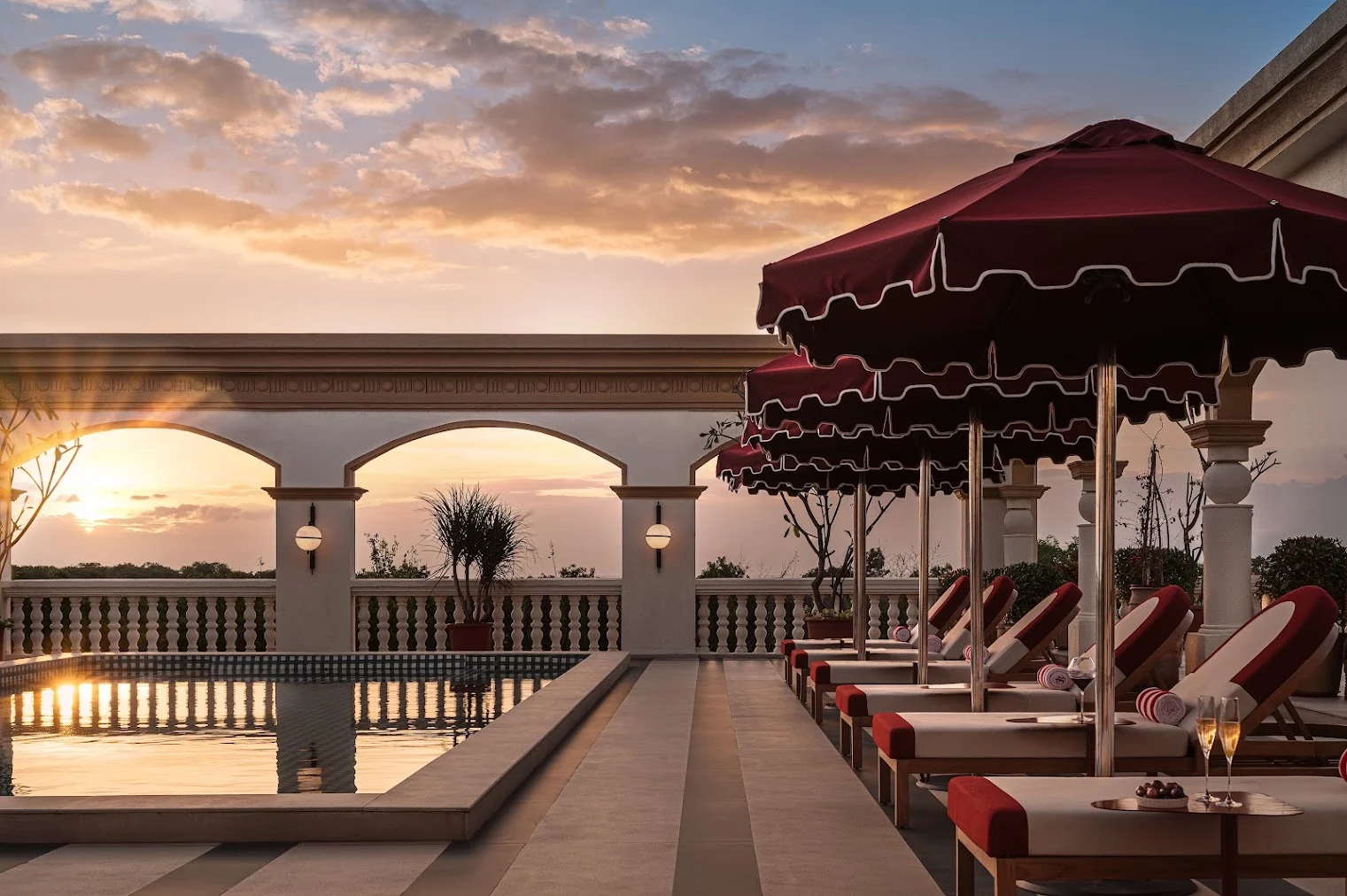
If you are looking for a Sunday brunch near Pune that works that way, the Irada Pool Club at Hotel Irada is built on almost the opposite premise from a city hotel brunch.
À La Carte, All Day, No Sitting
The Irada Pool Club — IPC to the people who work there — is an all-day dining space. Midday staples, served whenever the mood strikes. There is no fixed brunch window, no buffet counter, and no second seating waiting on your table.
That single structural difference changes the whole afternoon. You order what you want, when you want it. You order more two hours later because the conversation is still going. Nobody is managing turnover, so nobody is managing you.
For a group that has driven out from the city, this matters more than the food does. The point of leaving Pune for lunch is to stop being on a schedule. A brunch with a last-call time simply relocates the schedule.
The Setting
IPC sits against an Olympic-sized checkered pool, framed by manicured greenery that runs deliberately wild at the edges — tangled ivy, climbing roses, and the vineyard beyond it. Past that, 4,000 acres of reserve forest.
The estate covers 66 acres of working vineyard, so the view from the table is agricultural rather than landscaped: vine rows on a real growing season, changing shape across the year. In January the vines are heavy. In July the whole valley is green and loud with water.
It is a genuinely different backdrop from a hotel terrace, and it is the reason a weekend lunch near Pune out here reads as a day out rather than a meal.
What to Order
The menu runs long and moves across registers — Asian small plates, tandoor, Italian, Indian mains, and a section of poolside bites built for grazing rather than sitting down to a course.
To start, poolside. The misal pav crostini (₹600) is the one to order first — spiced sprout ragout on toasted crostini with a pav-butter crumble, and a smarter piece of cooking than pool food usually is. Pool nachos (₹500) do the obvious job well. Wild mushroom and truffle croquettes (₹600) and charred broccoli steak with coriander labneh and smoked chilli oil (₹600) both hold up. On the non-vegetarian side, IFC — Irada Fried Chicken, buttermilk-brined with caper ranch (₹750) — and prawn 65 with curry leaves and garlic (₹1,100).
Salads that are actually worth ordering. The Mediterranean caesar with pomegranate molasses, sumac and parmesan shards (₹600 / ₹800) and the classic som tam (₹600).
If you want a proper plate. The truffle shroom burger with parmesan cream and caper ranch (₹700), the Korean fried chicken burger (₹800), or the lamb burger with chimichurri and caramelised onions (₹800) — all served with fries and salad. Pizzas start at ₹550 for a margherita with San Marzano tomatoes. The IPC classic pasta (₹700) comes as penne or spaghetti with alfredo, arrabbiata, aglio e olio or pesto.
For the table that wants Indian. The tandoor section runs from mushroom and truffle galouti (₹600) through paneer tikka and chicken tikka, classic or gunpowder (₹750 each), to mutton galouti or seekh (₹800). Dum handi biryani — vegetable, chicken or mutton, sealed and slow-cooked (₹1,100) — is the order for a long table.
Dessert, because there is no reason to leave yet. Lotus Biscoff cheesecake (₹500), the IPC choco lava cake with vanilla ice cream (₹500), or rasmalai tres leches with a three-milk reduction (₹500).
Menu items and prices are as listed on the estate’s published Pool Club menu and are subject to change.
How the Afternoon Extends
This is where a Sunday at the estate stops resembling brunch anywhere else. Lunch ends and the day does not.
Lola by the Pool picks up as the light drops — crisp highballs, fast pours, and music that improves as the sun goes down. No bar stools, by design.
Subko x Irada handles the coffee end of the afternoon, a collaboration between the estate and the specialty roaster built around the idea that vines and beans are speaking the same language.
The Estate Wine Tour, led by Australian Estate Manager Craig Wedge and starting from ₹2,000, walks the working vineyard, the tank rooms where wine is tasted straight from fermentation, and the barrel cellar with its Bordeaux-imported oak casks. You can book a winery tour to bracket the meal at either end.
Nyāsa Wellbeing offers spa therapies, the Agave View Sauna with floor-to-ceiling forest views, steam, and a hot plunge.
Forest trails run out into the reserve, with Indian chinkara across the grasslands. Closer to the buildings there is padel, pickleball, minigolf and croquet on the West Lawn.
The result is that lunch becomes the middle of the day rather than the whole of it — which is the actual difference between a brunch and an escape.
For Bigger Tables
Birthdays, anniversaries and family Sundays scale up naturally here. IPC covers 15,000 sq. ft. and holds up to 200 guests as an event space, so a large table is not an imposition on the room.
For something more contained, private dining at the estate runs to a forest picnic under the canopy, a vineyard lunch between the rows, a tower-top nightcap, or the helipad for a dinner with the valley underneath it.
Stay the Night Instead
The honest case against driving out for lunch alone is the drive back. The estate is rural — that is the entire appeal — and a long lunch with wine and a two-way drive is a poor combination.
If the Sunday goes well, the rooms and suites run from Reserve Rooms (340–425 sq. ft., private balconies over the courtyard or the vines) through Gallery Rooms with Burgundy bathtubs, Vineyard Suites with arched ceilings and sit-outs facing the vines, to the 1,250 sq. ft. Collector’s Suite with a terrace over the vineyard.
A Sunday lunch that turns into a Sunday night is usually the better version of the plan.
Frequently Asked Questions
Is there a Sunday brunch near Pune at Hotel Irada? The Irada Pool Club serves all-day à la carte dining beside the estate’s Olympic-sized checkered pool, rather than a fixed-window buffet brunch. Contact the team to confirm timings and availability for your date.
Do I need a reservation for lunch at the Irada Pool Club? The estate is rural and the Pool Club is a working restaurant, so booking ahead is recommended. Confirm with the team over WhatsApp or email before you drive out.
What does the Irada Pool Club menu cost? Poolside bites run from roughly ₹500 to ₹1,100, burgers and mains from ₹550 to ₹1,100, and desserts around ₹400 to ₹500, per the estate’s published menu. Prices are subject to change.
Is the Pool Club suitable for families? Yes. The estate runs a Kids Club alongside minigolf, croquet, pickleball and forest trails, so a long lunch works with children in a way most brunch formats do not.
Can I use the pool if I come for lunch? Pool access arrangements should be confirmed with the estate team when you book.
What else can I do around lunch? The Estate Wine Tour from ₹2,000, spa and sauna at Nyāsa Wellbeing, forest trails and deer spotting, and padel, pickleball, minigolf and croquet.
Final Thoughts
A city brunch gives you three hours and a queue for the eggs. A Sunday at the estate gives you a table by a checkered pool with vines behind it, food ordered when you want it rather than when the format allows, and an afternoon that can go in whichever direction the group feels like — a wine tour, a sauna, a walk into the forest, or nothing at all.
The phrase “vineyard stay” has become loose. It now covers a wide range of things — a hotel with a decorative row of vines by the driveway, a resort a twenty-minute drive from a winery, and, occasionally, an actual property built on land that produces wine commercially.
Those are not the same holiday, and the difference only becomes obvious after you have arrived.
A genuine vineyard stay in India means sleeping on a working agricultural estate. There is a growing season happening around you. The vines are pruned and picked on a schedule that has nothing to do with the hotel’s occupancy calendar. The landscape looks different in January than it does in July, because it is doing something rather than being maintained.
This guide covers what actually separates a working winery from a hotel with a view of one, where India’s wine regions are, and what to check before you book.
What “Working Winery” Actually Means
A working winery grows fruit and makes wine on the property, at commercial scale, across a full seasonal cycle. Practically, that means a few things you can verify before booking.
There is production infrastructure on site. Fermentation tanks, a press, a barrel room. Not a display cellar — the equipment the estate genuinely uses.
The estate makes its own label. There is a wine list produced from those vines, not just a curated selection of other people’s bottles.
Someone technical runs it. A winemaker, a viticulturist, or an estate manager whose job is the vineyard rather than the hotel.
The calendar moves. Pruning, veraison, harvest, crush. If the property looks identical in every month of its photography, the vines are landscaping.
This matters for the guest for one simple reason: a working estate gives you something to see and do that a landscaped one cannot manufacture. Walking vine rows during harvest, tasting wine straight from a fermentation tank, standing in a cool barrel room in the middle of a hot afternoon — none of these exist at a property where the vines are decorative.
Where India’s Wine Regions Are
India’s wine production concentrates in a handful of areas, and knowing which is which narrows the search quickly.
Nashik, Maharashtra. The country’s best-known wine region and the default answer for most people searching for a wine resort in India. It has the longest-established brands, the most developed visitor infrastructure, and the highest weekend footfall. If you want the busiest, most familiar version of Indian wine tourism, this is it.
The Akluj and Solapur belt, Maharashtra. Further south and considerably quieter, with established estates producing at scale. Less visited, and further from both Mumbai and Pune.
Nandi Hills and the Bengaluru belt, Karnataka. South India’s centre of wine production, at higher elevation, serving the Bengaluru drive market.
Pune wine country. The newest of these as a visitor destination — the vineyard country south-east of Pune city, out towards the Bhima valley and Baramati. Rural, sparsely developed for tourism, and the reason this region is on the map at all is a small number of estates producing here. It is the least crowded of the four.
Most travellers default to Nashik because it is the name they know. It is a genuinely good answer, and it has more wineries to visit in a single trip than anywhere else in the country. The trade-off is that on a Saturday you will be sharing it.
What a Working Winery Adds to the Stay
This is the part worth being concrete about, because it is where the two kinds of property separate.
At Hotel Irada — a 66-acre working winery in Pune wine country, cradled by 4,000 acres of reserve forest — the Estate Wine Tour is led by Australian Estate Manager Craig Wedge and starts from ₹2,000.
The route is a good illustration of what production infrastructure gives a guest. It begins at the helipad in the middle of the vines with an introduction to viticulture, moves through a guided walk of the working vineyard, then heads inside the manor to the tank rooms — where wine is tasted directly from the fermenting tanks. The extended tour continues into the barrel rooms, past the pressing machines and Bordeaux-imported oak casks, and ends in the Tasting Room.
Along the way the specifics are agricultural rather than decorative: how the monsoon shapes the soil, how the basalt rock beneath the estate affects the grape, how time behaves differently inside a barrel. The estate produces a small-batch collection of its own, poured alongside bottles from elsewhere — new-world and old-world both.
None of that is available at a hotel that happens to have vines. You can book a tour without staying, which is also a reasonable way to test a region before committing to a longer trip.
What to Check Before You Book
A short checklist that separates the real thing from the marketing:
Does the property have its own wine list? If the estate makes wine, it will say so by name. A page listing other producers’ bottles is a bar, not a winery.
Is there a tour that goes inside production? Tank rooms, press, barrel cellar. A walk through vine rows alone can be arranged anywhere there are vine rows.
Who leads it? A named winemaker or estate manager signals an actual operation. “Our team” usually signals a script.
What happens at harvest? A working estate will be specific about its season. In most of Maharashtra that falls roughly January to March.
How far is it really? Wine regions are rural by definition. Confirm the actual distance and route rather than trusting the city in the property’s name.
What else is on the estate? Wine is one afternoon. On a two- or three-night stay, dining, wellness and grounds matter more than the tasting does.
Where to Sleep: The Estate Itself
If you are choosing a stay at a winery in India rather than just a tour of one, the accommodation has to hold up independently of the vines.
At Irada the rooms and suites run across four categories. Reserve Rooms (340–425 sq. ft.) open onto private balconies over the inner courtyard or the misted vineyards, with a king bed, a midcentury bar and a DeLonghi espresso machine. Gallery Rooms (480 sq. ft.) add Burgundy bathtubs and a collage of art collected from Les Puces in Paris. Vineyard Suites (700–750 sq. ft.) bring arched ceilings, 60s French panelling and generous sit-outs facing the vines. The Collector’s Suite (1,250 sq. ft.) crowns the estate with a 300 sq. ft. terrace over the vineyard, a private bar and a Verde Guatemala marble bath, and connects with two Reserve Rooms to form a three-bedroom hideaway.
Around them: Rosso for Italian cooking with a western Indian accent, the Irada Pool Club for all-day dining beside a checkered pool, Lola for evening drinks, and a Subko collaboration for coffee. Nyāsa Wellbeing handles spa therapies, yoga, an Agave View Sauna and a hot plunge. Forest trails run into the reserve, with Indian chinkara across the grasslands, alongside padel, pickleball, minigolf and croquet.
The estate carries a Michelin Guide 2026 listing, a place on Condé Nast’s Best New Hotels in India: 2026 Hot List, and Travel + Leisure Asia’s India’s No.1 Wine Hotel.
When to Go
Vineyard stays are one of the few holidays where the month genuinely changes the experience.
January to March is harvest and crush across most of Maharashtra. The vines are heavy, the production rooms are busy, and the estate is at its most active. It is also the most comfortable weather for spending time outdoors.
June to September brings the monsoon. The vines are at their greenest, the forest is loud with water, and rates are typically at their softest. It is the quietest and least photographed version of wine country, which some travellers prefer.
October to December sits between the two — settled weather, fewer crowds than the harvest window, and the run-up to the festive season.
Frequently Asked Questions
What is a vineyard stay? A vineyard stay is accommodation located on a property that grows grapes and produces wine, as opposed to a hotel situated near a wine region. The distinction matters because a working estate offers vineyard walks, production tours and tastings on site.
Where can you stay on a working winery in India? India’s wine production concentrates in Nashik and the Akluj–Solapur belt in Maharashtra, the Nandi Hills belt in Karnataka, and Pune wine country south-east of Pune city. Hotel Irada is a 66-acre working winery in the last of these.
What is the difference between a wine resort and a working winery? A wine resort may sit within a wine region without producing wine itself. A working winery grows fruit and makes wine commercially on the property, with fermentation tanks, a press and a barrel room on site.
When is grape harvest season in India? Harvest across most of Maharashtra falls roughly between January and March, which is also when estates are at their most active and the weather is most comfortable for time outdoors.
Can you visit a winery without staying overnight? Yes. Hotel Irada’s Estate Wine Tour can be booked separately from ₹2,000, covering the vineyard walk, tank rooms and Tasting Room.
How long should a vineyard stay be? Two nights is usually the minimum that works — one day for the tour and tasting, and a second that is not spent travelling.
Final Thoughts
The best vineyard stays in India are not the ones with the most vines in the photographs. They are the ones where the vines are doing something — where there is a harvest to be in the middle of, a tank room to walk into, and a person on the property whose job is the fruit rather than the front desk.
Nashik will give you the most wineries in one trip. Pune wine country will give you the quietest version of the same idea.
Hotel Irada sits in the second — 66 acres of working vineyard inside 4,000 acres of reserve forest, with the production, the estate label and the tour to go with it.
See the rooms and suites or book direct for the best available rate, an Aperol Spritz at Rosso, the Irada tote, and a half-hour Racquet Club slot. Marriott Bonvoy members earn points on directly booked stays.
An Indian wedding is not an event. It is a sequence — three days, sometimes five, each with its own mood, its own guest list, its own idea of what the light should look like. The mehendi is slow and conversational. The haldi is loud, messy and best held outdoors in the morning. The sangeet wants a room that can hold noise. The ceremony wants a horizon.
Most venues can do one of these well. Very few can do all of them without asking your guests to get back into cars between functions.
That logistical seam is where multi-day weddings quietly come apart. A hall for the sangeet, a lawn twenty minutes away for the haldi, a hotel somewhere in between for the guests who flew in. Every transfer costs an hour, and every hour lost is an hour nobody spends actually celebrating.
Finding a single haldi, mehendi and sangeet venue near Pune that can hold the whole sequence on one property changes the shape of the weekend entirely. Hotel Irada is built for exactly that — a 66-acre working wine estate cradled by 4,000 acres of reserve forest, with nine separate venue spaces scattered across it. Every function moves to a different setting. Nobody moves to a different postcode.
Why Multi-Day Weddings Need More Than One Space
The instinct when booking a venue is to look for the biggest room and assume everything else will fit inside it. It rarely does — because the functions are not variations on a theme. They are genuinely different events.
The mehendi is intimate and long. Guests sit for hours. They talk. It works best in an enclosed, shaded, warm space where conversation carries and nobody has to shout.
The haldi is the opposite. It is bright, physical and messy by design. It needs morning light, open air, and a surface nobody minds turmeric landing on. An indoor haldi is a compromise everyone can feel.
The sangeet needs acoustics and energy. Sound has to hold rather than escape. The space should feel charged when it fills, and it usually runs late.
The ceremony needs a focal point — something the eye travels toward. A view, an aisle, a horizon.
The reception needs scale, because this is where the widest guest list arrives.
Ask one room to be all five and it will be adequate at each. Give each function the space it was actually asking for, and guests feel the difference without ever being able to name it.
One Estate, Nine Rooms to Fill
Hotel Irada’s nine distinct venue spaces range from an 880 sq. ft. room seating 32 to a 25,000 sq. ft. lawn holding 300. That spread is the point. A multi-day wedding can move through five of them without ever leaving the estate.
Venue
Size
Capacity
Character
West Lawn
25,000 sq. ft.
300 guests
Grand, cinematic, free-spirited
Irada Pool Club
15,000 sq. ft.
200 guests
Sunset-charged, forest view, high-energy
East Lawn
18,750 sq. ft.
175 guests
Breezy, intimate, playful
Barrel Room
4,500 sq. ft.
175 guests
Moody, tactile, immersive
Nyāsa Lawn
15,000 sq. ft.
150 guests
Serene, mindful, grounded
Winery Deck
7,500 sq. ft.
125 guests
Sun-drenched, expansive, vineyard view
The Courtyard
3,500 sq. ft.
60 guests
Charming, warm, convivial
Rosso
1,200 sq. ft.
40 guests
Mid-century, intimate, art-forward
Decanter
880 sq. ft.
32 guests
Refined, intimate, corporate
There is also a helipad on the estate, used for sundowner soirées with sweeping valley views — a natural fit for a small, high-impact moment like a cocktail hour or a first-night welcome drink.
Matching Each Function to Its Space
Here is how a three-day sequence maps onto the estate. It is a starting point, not a prescription — the estate team shapes the flow around your guest count and running order.
Mehendi — The Courtyard
The Courtyard runs 3,500 sq. ft. and holds 60 guests, and its character is listed as charming, warm and convivial. That is precisely the register a mehendi wants. Enclosed enough that the room feels full, warm enough that people settle in for the long sit, and intimate enough that the conversation stays one conversation rather than fracturing into twenty.
For a larger mehendi, the Winery Deck at 125 guests offers the same unhurried daytime quality with vine rows in every direction.
Haldi — Irada Pool Club
The haldi is the function most often forced indoors, and it is the one that suffers most for it. At Irada it belongs beside the checkered pool at the Irada Pool Club — 15,000 sq. ft., up to 200 guests, framed by wild roses and ivy-draped walls, with the forest beyond.
As a haldi function venue outdoor by design, it solves the two practical problems at once: turmeric goes where turmeric goes, and there is water immediately to hand. The setting is high-energy and sunset-charged, but in the morning it is simply bright and open — which is what a haldi actually needs.
The East Lawn works equally well for a haldi at 175 guests if you want more room to spread out, with a breezy, playful character that suits a morning function.
Sangeet — The Barrel Room
A sangeet needs a room that holds sound and holds attention. The Barrel Room does both: 4,500 sq. ft., up to 175 guests, described as moody, tactile and immersive. It is a working cellar — arched, cool, lined with barrels — which means the acoustics are enclosed and the atmosphere arrives without any need for draping.
As a sangeet venue option near Pune, it is genuinely uncommon. Most sangeets happen in banquet halls that have to be dressed into character. This one already has it.
For a larger sangeet, the Nyāsa Lawn holds 150 under open sky, and the West Lawn scales to 300.
Ceremony — Winery Deck or Nyāsa Lawn
The Winery Deck is sun-drenched, expansive and looks directly over the vines — an aisle between grapevines, with the vineyard doing the work no amount of décor can replicate. It holds 125 guests.
For a ceremony with a calmer, more grounded feeling, the Nyāsa Lawn holds 150 and reads as serene and mindful. For an evening ceremony at scale, the West Lawn’s 300-guest capacity and cinematic character carry it.
Reception — West Lawn
At 25,000 sq. ft. and 300 guests, the West Lawn is the estate’s largest space and the natural home for the reception. Grand, cinematic, free-spirited — open sky, room for a full stage and seated dining, and the vines and forest as the backdrop.
The Morning After — Rosso
A post-wedding brunch does not need scale. It needs somewhere good to sit with the forty people who stayed. Rosso, the estate’s Italian restaurant, seats 40 in a mid-century, art-forward room — champagne cacio e pepe, slow-simmered sugos, and the specific pleasure of a long table with no schedule attached to it.
What Guests Do Between Functions
This is the part that distinguishes an estate wedding from a venue wedding. On a multi-day itinerary, there are long gaps — the hours between a morning haldi and an evening sangeet, the day guests arrive, the morning after. At most venues, those hours are dead time.
At Irada they are part of the property:
The estate wine tour through the vineyard, tank rooms and barrel cellar, ending with a guided tasting
Nyāsa Wellbeing — Ayurvedic spa therapies, daily yoga, the Agave View Sauna, and a hot plunge framed by forest
Padel, pickleball, minigolf and croquet on the West Lawn
A Kids Club, which matters more at a three-day wedding than at any other kind of event
Private dining settings — a forest picnic, a vineyard lunch, a tower-top nightcap — for the smaller family dinners that sit around the main functions
Older relatives, children and out-of-town guests all get something to do without being programmed. That is what keeps a long wedding from feeling long.
Where Everyone Sleeps
The wedding party staying on-property is what makes a multi-day sequence work. No transfers, no timing risk, no guests arriving late because the traffic held.
Irada’s rooms and suites run across four categories: Reserve Rooms (340–425 sq. ft., private balconies over the courtyard or the vines), Gallery Rooms (480 sq. ft., Burgundy bathtubs, art collected from Les Puces in Paris), Vineyard Suites (700–750 sq. ft., arched ceilings, 60s French panelling, generous sit-outs), and the Collector’s Suite at 1,250 sq. ft. with a 300 sq. ft. terrace over the vineyard.
The Collector’s Suite connects with two Reserve Rooms to form a three-bedroom hideaway — the obvious answer for the couple’s immediate family, or for the bride’s suite on the morning of.
For weddings that want the estate entirely to themselves, a full buyout is available. Speak to the team about dates and minimums.
Planning the Sequence
A few things worth settling early:
Guest count drives venue selection, not the reverse. The estate’s spaces top out at 300. Below that number you have real choice at every function; above it, the format changes. Fix your list before you fix the flow.
Sequence functions by time of day, not by hierarchy. Haldi in the morning where the light is open, mehendi through the afternoon where there is shade, sangeet after dark where the acoustics hold. The estate’s geography rewards this.
Build in the gaps deliberately. The temptation is to fill every hour. Do not. The estate is the reason guests will remember the weekend, and they need unscheduled time to actually experience it.
Check the season. January through March brings the estate’s harvest atmosphere and the most comfortable weather for outdoor functions — which is most of them.
Frequently Asked Questions
Can Hotel Irada host haldi, mehendi and sangeet functions in separate venues? Yes. The estate has nine distinct venue spaces ranging from 880 to 25,000 sq. ft., so each function can be held in a different setting without guests leaving the property.
What is the largest wedding function Hotel Irada can host? The West Lawn is the largest space at 25,000 sq. ft. with a capacity of 300 guests. The Irada Pool Club (200), East Lawn (175) and Barrel Room (175) follow.
Is there an outdoor venue suitable for a haldi function? Yes. The Irada Pool Club is an open-air space beside the checkered pool holding up to 200 guests, framed by wild roses and ivy. The East Lawn is a larger open-air alternative at 175 guests.
Where can a sangeet be held at Hotel Irada? The Barrel Room — a 4,500 sq. ft. working cellar holding 175 guests — is the estate’s most atmospheric indoor option. The Nyāsa Lawn (150) and West Lawn (300) are open-air alternatives.
Can we book the entire estate for a wedding? Yes. Full estate takeovers are available. Submit an enquiry with your dates and guest count and the team will confirm availability and minimums.
How many guests can stay on the property? Accommodation spans Reserve Rooms, Gallery Rooms, Vineyard Suites and the Collector’s Suite, which connects with two Reserve Rooms to form a three-bedroom suite. Room block availability is confirmed against your dates — raise it in your enquiry.
When is the best season for an outdoor wedding at the estate? January through March offers harvest-season atmosphere and the most comfortable conditions for outdoor functions.
Final Thoughts
A wedding spread across three days does not need three venues. It needs one place with enough range that each function can be itself — a bright open lawn for the haldi, a warm enclosed courtyard for the mehendi, a cellar with real atmosphere for the sangeet, and vine rows for the vows.
Hotel Irada is a working wine estate near Pune with nine venue spaces across 66 acres, accommodation on-site, and 4,000 acres of reserve forest holding the whole thing quiet. The functions change. The address does not.