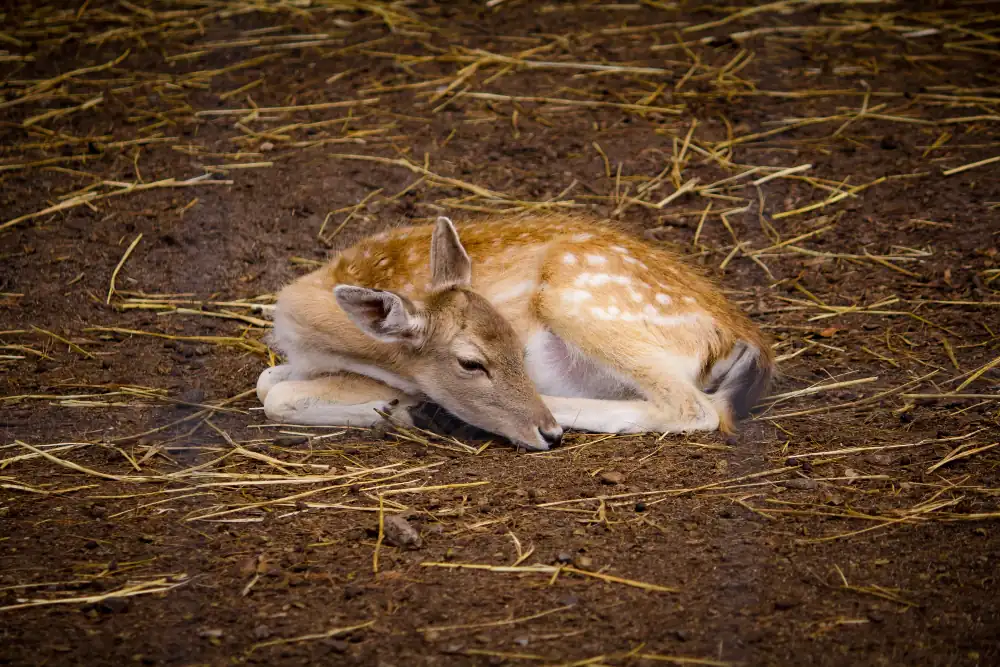
There is something quietly magical about watching a deer emerge from the treeline at dawn. Ears alert, breath visible in the cool air, completely unaware of you. Deer spotting is one of those rare wildlife experiences that doesn’t demand adrenaline or luck. It rewards patience, stillness, and a genuine love for the natural world.
Whether you are a seasoned wildlife enthusiast, a weekend nature traveller, or a family looking for a memorable outdoor experience, deer spotting offers an accessible and deeply satisfying connection with wild India. In this guide, you will discover the best places for deer spotting in India, the ideal seasons to plan your visit, practical tips to make the most of every sighting, and why certain forested destinations near Pune are quickly becoming favourites for wildlife lovers.
Why Deer Spotting Is More Than Just Wildlife Watching
Deer spotting sits at a unique intersection of birdwatching’s patience and safari’s excitement. Unlike spotting tigers or leopards, which requires significant time, cost, and a fair amount of luck, deer are more frequently visible, more forgiving of novice observers, and found across a wide variety of Indian landscapes.
India is home to several stunning deer species, including the Chital (Spotted Deer), Sambar, Barking Deer (Muntjac), Indian Hog Deer, and the majestic Barasingha (Swamp Deer). Each species occupies a distinct ecological niche, which means deer spotting naturally takes you through diverse habitats ranging from deciduous forests and grasslands to wetlands and highland meadows.
Beyond the sighting itself, deer are ecological indicators. Their presence signals a healthy, functioning forest. Spotting a herd of Chital grazing in dappled light tells you that the ecosystem around you is thriving, and that larger predators may not be far behind, adding a layer of quiet tension to every outing.
Best Places for Deer Spotting in India
India’s forests and wildlife reserves offer exceptional deer spotting opportunities spread across multiple regions. Here are the top destinations worth planning a trip around.
Jim Corbett National Park, Uttarakhand
Corbett is famous for tigers, but it is also one of the finest places for Sambar and Chital sightings in northern India. The Dhikala zone, in particular, offers open grasslands where deer congregate in large numbers, especially during early morning safaris.
Kanha Tiger Reserve, Madhya Pradesh
Kanha is the stronghold of the Barasingha, also called the Swamp Deer, a species once on the brink of extinction. Today, Kanha’s meadows host healthy Barasingha herds alongside abundant Chital, making it a must-visit for serious deer spotters.
Tadoba Andhari Tiger Reserve, Maharashtra
Closer to Pune and Mumbai, Tadoba offers consistently good Chital and Sambar sightings in its dry deciduous forests. The open water holes during the dry season become natural gathering spots where deer and often predators congregate predictably.
Bhimashankar Wildlife Sanctuary, Maharashtra
Tucked in the Western Ghats, Bhimashankar is home to the shy Barking Deer (Indian Muntjac) alongside Sambar. The dense, moist forest canopy here makes sightings more intimate and atmospheric, ideal for those who prefer forest walks over jeep safaris.
Saswad and Supa Forest Corridors, Pune District
The forested hillsides and scrub-grassland patches surrounding the Pune region, especially along the Sahyadri foothills, host wild Chital and Sambar populations. Travellers staying at properties nestled within or adjacent to these forests occasionally encounter deer right at the forest’s edge during dawn or dusk walks.
If you are looking for a base that places you naturally close to such wildlife-rich green surroundings, Hotel Irada is a luxury winery resort near Pune that offers exactly that. Set against the tranquil backdrop of the Sahyadri foothills, it is the kind of property where nature is not a backdrop, it is part of the stay.
Deer Spotting During Monsoon vs Winter Season
One of the most common questions wildlife travellers ask is which season is best for deer spotting in India. The honest answer is that both monsoon and winter offer distinct, rewarding experiences but for different reasons.
Deer Spotting in Monsoon (June to September)
The monsoon transforms India’s forests into vivid, lush canvases of green. Deer are highly active during this period because fresh grass and new vegetation are abundantly available. Herds of Chital can be seen grazing in clearings and meadows, often visible from forest roads and viewpoints.
However, the heavy rainfall and dense foliage do make actual sightings more challenging in deep forest areas. Leeches are common on forest trails, and certain safari zones are closed during peak monsoon months for conservation reasons. For deer spotting specifically, especially from viewpoints, forest edges, and open meadows, monsoon can be surprisingly rewarding, particularly in the early mornings when rain has paused.
The visual backdrop during monsoon deer spotting is arguably the most beautiful. Mist-covered hills, jewel-green grasses, and deer silhouetted against cloud-laden skies make it a photographer’s dream.
Deer Spotting in Winter (October to February)
Winter is widely considered the best season for deer spotting in India. The foliage thins out, improving sightlines. Water sources become more concentrated, drawing deer and predators to predictable locations. Rutting season for several species, including Sambar, falls between October and December. During this period, male deer are far more visible, more vocal, and more dramatically posed with their antlers on full display.
Morning temperatures in forested areas drop enough to bring deer out into open clearings and grasslands for extended periods. Safari operators consistently report the most reliable deer sightings between October and February across most of India’s major wildlife reserves.
Practical Tips for a Successful Deer Spotting Experience
Getting close to deer or simply getting a reliable sighting comes down to a few consistent principles.
Go Early, Go Quiet. Deer are most active between dawn and 9 AM and again in the late afternoon. Silence in the vehicle or on the trail is non-negotiable. Sound travels far in forest environments, and deer will melt into cover at the first unexpected noise.
Wear Neutral, Muted Colours. Olive, tan, grey, and brown tones help you blend into forest backgrounds. Avoid bright colours and strong perfumes, both of which alert deer instantly.
Use Binoculars. Good quality binoculars make a significant difference. Many impressive deer sightings happen at 100 to 300 metres, where the unaided eye can miss details that a good pair of binoculars makes unforgettable.
Stay Downwind. Deer have extraordinary senses of smell. When on foot in sanctuaries that permit nature walks, always position yourself downwind from the direction you expect deer to approach from.
Be Patient Near Water Sources. Waterholes, streams, and salt licks are natural focal points. If you find a good spot near water, wait quietly rather than moving around. Deer will come.
Deer Spotting Etiquette: Respecting Wildlife and Habitat
Responsible deer spotting means putting the animal’s welfare above your desire for a closer shot or longer sighting. Never attempt to approach deer on foot in open areas, as this elevates their stress and can cause herd fragmentation. Do not use artificial calls or imitate deer sounds. It disrupts their natural behaviour and is prohibited in most wildlife reserves.
Stay on designated safari routes and follow your naturalist guide’s instructions. If a deer shows signs of agitation such as a raised tail, repeated foot stomping, or vocalising, move away quietly. Leave nothing behind. Littering in wildlife areas is not just illegal; it is a direct threat to animals that may ingest plastic or be attracted to human food waste.
FAQ: Deer Spotting in India
Q1. What is the best time of day for deer spotting?
Early mornings between 6 and 9 AM and late afternoons from 4 to 6 PM are peak activity windows when deer are most visible in open areas.
Q2. Which deer species is most commonly spotted in India?
The Chital or Spotted Deer is the most widely distributed and frequently sighted deer species across Indian forests and reserves.
Q3. Do I need a permit for deer spotting in wildlife sanctuaries? Yes, most Indian wildlife sanctuaries and national parks require entry permits and safari bookings, available through official forest department portals.
Q4. Is deer spotting suitable for children?
Absolutely. Deer spotting is one of the most family-friendly wildlife activities, requiring no strenuous effort and offering high chances of a rewarding sighting.
Q5. Can I spot deer near Pune?
Yes, the Sahyadri foothills and forests surrounding Pune host Chital and Sambar populations. Staying at a nature-adjacent property like Hotel Irada puts you within reach of these green, forested landscapes.
Conclusion: Find Your Stillness in the Forest
Deer spotting is not simply about ticking a sighting off a list. It is about learning to be present, to slow down, tune out the noise of daily life, and enter a world that operates at nature’s pace. Whether you are watching a lone Sambar at a forest waterhole or a Chital herd grazing in the monsoon mist, the experience stays with you long after you have left the forest.
Plan your next wildlife escape around a destination that offers both natural proximity and genuine comfort. Hotel Irada, set amid the serene green surroundings of the Sahyadri near Pune, is an ideal base for those who want the forest close and a thoughtful retreat waiting for them at the end of the day.
Book your stay at Hotel Irada and let the forest find you.