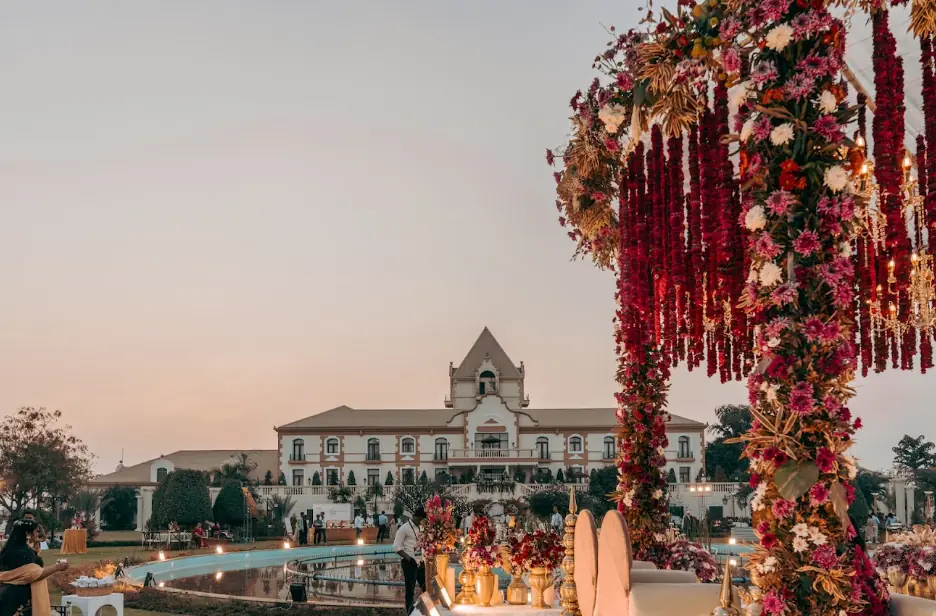
Every couple planning a pre-wedding shoot near Pune eventually faces the same problem. The usual locations — the Lonavala viewpoints, the Sinhagad Fort ramparts, the Pashan Lake boardwalk — have been photographed so many times that the images start to look interchangeable. Beautiful, certainly. But recognisable as someone else’s shoot before they are recognisable as your own.
The best photographers will tell you the same thing: the location does more for a pre-wedding shoot than any amount of styling. A setting with genuine visual depth — layers, texture, changing light, and natural framing — produces images that need very little post-production intervention to look extraordinary.
A pre-wedding shoot location near Pune vineyard setting delivers exactly this. Hotel Irada — a 66-acre working vineyard estate cradled by 4,000 acres of reserve forest, recognised on Condé Nast’s Best New Hotels in India: 2026 Hot List and described by Condé Nast Traveller as something that “wouldn’t be out of place on a White Lotus set” — offers the kind of natural backdrop that most couples travel internationally to find.
Why a Vineyard Works So Well for Pre-Wedding Photography
Natural Leading Lines
Vine rows create something photographers rarely find in Indian outdoor locations — clean, converging leading lines that draw the eye directly toward the subject. A couple standing at the end of a vineyard row is naturally framed by the landscape itself, without any need for props or constructed setups.
Layers and Depth
A flat lawn or an open viewpoint gives a photographer a subject and a background. A working vineyard gives foreground vines, mid-ground rows, and a forest horizon beyond — three distinct depth planes in a single frame, producing images with a richness that flat locations cannot achieve.
Light That Changes Through the Day
The estate’s open orientation and forest boundary produce genuinely different light conditions across the day — soft morning mist through the vines, harder mid-afternoon contrast, and the golden hour that photographers plan entire shoots around. A single location that delivers three distinct lighting moods removes the need to travel between multiple sites.
Seasonal Character
Because the vineyard is a working agricultural landscape rather than a static garden, its appearance genuinely changes across the year — bare-vine structure, dense summer canopy, and the fuller character of harvest season each producing a visibly different shoot.
The Shoot Locations Within the Estate
The Vineyard Rows
The estate’s signature backdrop. Sixty-six acres of working vines, forest-flanked, offering the converging-line framing and depth that defines the classic vineyard shoot.
The Checkered Pool at the Irada Pool Club
An Olympic-sized checkered pool framed by wild roses and tangled ivy — a graphic, high-contrast setting that produces a completely different visual register from the vineyard rows. Particularly strong for editorial-style compositions and reflection work.
The Neoclassical Manor
Hotel Irada is a neoclassical manor house at the heart of the winery, with a timeless silhouette that provides architectural formality as a counterpoint to the estate’s natural settings. Ideal for more classical, portrait-driven frames.
The Barrel Room
The estate’s atmospheric barrel cellar, with Bordeaux-imported oak casks, offers a moody, low-light interior setting — the kind of dramatic contrast shot that rounds out a shoot dominated by outdoor natural light.
The Helipad
Elevated above the estate with sweeping valley views, the helipad provides the widest, most open framing available on the property — particularly effective for aerial and drone sequences.
The Forest Trails
Four thousand acres of reserve forest surround the estate, offering dappled canopy light, natural texture, and the possibility of wildlife in frame — Indian chinkara graze the surrounding grasslands.
The Courtyard
Vine-covered and enclosed, the courtyard provides an intimate, textured setting for close-in portraiture where the surrounding estate falls away entirely.
Practical Considerations for a Vineyard Shoot
Timing for the Best Light
Early morning and the hour before sunset produce the strongest results. Morning light through the vine rows carries a softness that mid-day sun eliminates entirely, while golden hour across the open estate delivers the warm, low-angle light that vineyard photography is best known for.
Best Season
October through February offers the most reliable conditions — post-monsoon vineyard freshness, comfortable outdoor temperatures for a full day of shooting, and consistently clear skies. The January to March harvest window adds the estate’s most active working atmosphere.
Drone and Aerial Sequences
The estate’s scale and open landscape suit drone cinematography particularly well — aerial pull-backs revealing the vineyard’s full extent, with the forest boundary and manor house in frame. Discuss drone requirements and any compliance considerations with the estate team during planning.
Wardrobe Changes and Comfort
For couples planning multiple looks across a full-day shoot, on-property accommodation removes the logistical friction of changing between locations. Staying at the estate turns a shoot day into an unhurried experience rather than a compressed schedule.
Combining the Shoot With a Stay
The most straightforward way to shoot at Hotel Irada is as part of a stay. This gives couples and their photography team access to the estate across morning and evening light windows, a comfortable base for wardrobe changes, and the option to extend the shoot across two days rather than compressing it into one.
Between shoot sessions, the estate offers the Estate Wine Tour starting from ₹2,000, Nyāsa Wellbeing spa treatments, and Michelin Guide 2026-recognised dining at Rosso — making the shoot trip a genuine getaway rather than a working day.
For couples also considering Hotel Irada as their wedding venue, a pre-wedding shoot at the estate doubles as a site visit — letting you see exactly how the property photographs before committing to it for the celebration itself.
Planning Your Shoot
Contact the Hotel Irada team via WhatsApp at +91 7080250472 or email at info@hotelirada.com to discuss shoot permissions, preferred locations across the estate, timing, and any specific requirements your photography team may have.
Book accommodation directly at hotelirada.com for the best available rates and exclusive direct booking benefits, including an Aperol Spritz at Rosso, the Irada Time Well Spent tote bag, and a Racquet Club slot.
Frequently Asked Questions
Can I do a pre-wedding shoot at Hotel Irada without staying overnight?
Contact the estate team directly via WhatsApp at +91 7080250472 or email at info@hotelirada.com to discuss shoot access options. Staying on-property is generally recommended for access across both morning and evening light windows.
What is the best time of day for a vineyard pre-wedding shoot?
Early morning and the hour before sunset produce the strongest results, with soft directional light through the vine rows and the warm tones that vineyard photography is known for.
Which season is best for a pre-wedding shoot at Hotel Irada?
October through February offers the most reliable conditions, with the January to March harvest window adding the most visually active vineyard atmosphere.
Are drones permitted for pre-wedding shoots at the estate?
Discuss drone requirements with the estate team during planning, including any compliance considerations your photography team needs to address.
Final Thoughts
A pre-wedding shoot is one of the few times a couple gets to choose exactly where they want to be photographed — and the location decides more about the final images than almost anything else.
Hotel Irada offers a genuinely singular option near Pune: working vine rows with natural leading lines, a neoclassical manor, an atmospheric barrel cellar, a checkered pool framed by wild roses, and 4,000 acres of reserve forest — all within one estate, across a full day of changing light.
Contact the Hotel Irada team today to plan your pre-wedding shoot in Pune’s wine country.
Leave a Reply